FoldIt - Solve Puzzles for Science!

Sunday, July 12, 2015

Science has led to a lot of progress , not only in terms of scientific knowledge but also in terms of how that information and knowledge is acquired! For all the video gamers slash science lovers, there is a perfect game for you - FoldIt. It is an online puzzle game which lets you get familiar with the protein folding problem.  University of Washington's Center for Game Science in collaboration with the UW Department of Biochemistry have developed this game as a part of experimental research. 

The objective of this game is to fold the given set of protein in a stable configuration so that none of the chains are clashing, there are no voids, and all hydrogen bonds are being sufficed, using various tools provided within the game. The highest scoring solutions of each of the difficult levels ae analyzed by researchers to find whether such structural confirmation exists in the native state in the real world! 

The beta version was released to public in May 2008 and has 240,000 registered players as per the source. Since 2008, the Foldit project has participated in Critical Assessment of Techniques for Protein Structure Prediction (CASP) experiments. CASP is an international experiment for protein structure prediction taking place every two years since 1994, which helps scientists to assess the efficacy of the protein folding predictions!


There have been quite a few remarkable accomplishments by FoldIt users. One of the most important one being deciphering the crystal structure of the Mason-Pfizer monkey virus (M-PMV) retroviral protease, an AIDS-causing monkey virus and producing an accurate 3D model of the enzyme in just 10 days of release the puzzle in 2011. This problem had been bothering scientists for over 15 years! This was published in Nature Structural & Molecular Biology in 2011 (link of the published study).

The other accomplishment was regarding an enzyme which catalyses the Diels-Alder reactions widely used in synthetic chemistry. A team including David Baker in the Center for Game Science at University of Washington in Seattle computationally designed this enzyme. However, the enzyme still required improvement for potency which was done by FoldIt players by adding 13 amino acids. This increased the enzyme's activity by more than 18 times, thus, making it potent! This was published in Nature Biotechnology in 2012 (link of the published study).

If you are good at video games too or folding proteins, you may try the game too - Link. There are many tutorials and videos also available to help you get started! You never know, you might be lucky enough to decode a protein which helps find the cure to another disease!

Image source: All images have been taken from FoldIt website!
Read more ...

3D Printed Ice-Cream: Ready in 15 minutes

Sunday, July 20, 2014

Ever wanted to have an ice-cream which is unique in shape than all others? Now your dream can be coming true! 

Three students from Massachusetts Institute of Technology (MIT) have developed a 3-D printer which can produce an ice-cream in any desired shape in just 15 minutes. By hacking together a soft serve ice cream maker, a freezer and a 3D printer, Kyle Hounsell, Kristine Bunker, and David Donghyun Kim created a machine that extrudes soft ice cream into any given shape then quickly freezes it with a blast of liquid nitrogen. 

The trio first needed to print into a cooled environment so that the ice cream would hold its shape once printed. "We bought a small upright freezer which was large enough to both put the Solidoodle inside and allow for the full build volume we were aiming for," Kyle Hounsell said. 

Source: Google Images
They then needed a gas to solidify the ice cream as soon as it came out of the extruder. They built a system to spray liquid nitrogen onto the ice cream as it was extruded."To ensure that the extruded ice cream ended up with constant characteristics, the cryogen line was bent in a circle to go all the way around the extruder and spray the liquid nitrogen evenly around the printed ice cream," they said.

Source: Google Images

"We were inspired to design this printer because we wanted to make something fun with this up and coming technology in a way that we could grab the attention of kids. We felt that it was just as important to come up with a new technology as it was to interest the younger generation in pursuing science and technology so we can continue pushing the limits of what is possible," Bunker told 3ders.org.

It's interesting to see the research focussed on generating interest in the younger generation as well. Hope we get to see these in ice-cream parlors soon!
Read more ...

Highlights in Science in 2013

Tuesday, December 31, 2013
1. Exoplanets
  • A study by Caltech astronomers reported that the Milky Way Galaxy contains at least one planet per star, resulting in approximately 100–400 billion exoplanets. 
  • Astronomers at the Harvard-Smithsonian Center for Astrophysics (CfA) reported that "at least 17 billion" Earth-sized exoplanets are estimated to reside in the Milky Way Galaxy.
  • Astronomers affiliated with the Kepler space observatory announced the discovery of KOI-172.02, an Earth-like exoplanet candidate which orbits a star similar to the Sun in the habitable zone, and is possibly a "prime candidate to host alien life".
  • NASA reports the discovery of Kepler-37b, the smallest exoplanet yet known, around the size of Earth's Moon.
  • NASA announces the discovery of three new Earthlike exoplanets – Kepler-62e, Kepler-62f, and Kepler-69c – in the habitable zones of their respective host stars, Kepler-62 and Kepler-69. The new exoplanets, which are considered prime candidates for possessing liquid water and thus potentially life, were identified using the Kepler spacecraft.
  • For the first time, astronomers determined the true colour of a distant exoplanet. HD 189733 b, a searing-hot gas giant, is said to be a vivid blue colour, most likely due to clouds of silica in its atmosphere.
  • Astronomers have discovered the 1,000th known exoplanet.
  • The Hubble Space Telescope has found evidence of water in the atmospheres of five distant exoplanets: HD 209458b, XO-1b, WASP-12b, WASP-17b and WASP-19b.

2. Cancer and its Therapy


  • January - Medical researchers state that sickle cells can be induced to attack treatment-resistant tumours by starving them of blood.
  • February - Medical researchers developed a new method of efficiently detecting cancer using bioelectric signals. In addition, they were able to manipulate cellular electric charge levels to prevent certain cells from developing cancer.
  • A genetically engineered strain of the vaccinia virus was found to triple the average survival time of patients suffering from a severe form of liver cancer.
  • March - Chinese and Israeli scientists developed a Breathalyzer-style breath test that can quickly and easily diagnose stomach cancer by analyzing exhaled chemicals, without the need for an intrusive endoscopy.
  • Scientists announced they can now illuminate up to 100 biomarkers, ten times more than the previous standard. This breakthrough may make it much easier to spot proteins in cancer cells – a vital diagnostic technique
  • Scientists discovered mutations in 26 genes that are believed to be responsible for oesophageal cancer, a breakthrough that could lead to new drug treatments for the disease.
  • April - British researchers discovered that a mutation of the gene BRCA2 increases both the risk and severity of prostate cancer in men, as well as being linked to hereditary breast cancer in women.
  • June - American researchers identified a key embryonic protein that, though usually deactivated shortly after birth, is reactivated in patients with advanced cancer. This breakthrough may allow for better treatment of advanced cancer cases, which typically respond poorly to currently available therapies. As a result of this discovery, scientists may be able to determine from the structure of the protein the fundamental process through which cancer cells seek out new tumor sites and create secondary tumors after leaving the primary tumor site.
  • July - British medical researchers created an "intelligent" surgical knife with a built-in mass spectrometer that can detect cancerous tissue during operations, allowing surgeons to more accurately and effectively excise tumors without damaging healthy tissue

3. 3D Printing


  • January – The first museum of 3D-printed artifacts opens in China.
  • January – Architects begin preparations for constructing the world's first 3D-printed building. The building will be constructed of a high-strength artificial marble laid down by an industrial-scale 3D printer, and is planned for completion in 2014.
  • February - Scientists at Scotland's Heriot-Watt University develop a 3D printer that can produce clusters of living stem cells, potentially allowing complete organs to be printed on demand in future.
  • In a series of separate developments, American and Japanese engineers create 3D printers that can produce edible meals with a range of flavours and textures on demand. These could both replace conventional ready meals and allow astronauts to enjoy a far more varied diet.
  • Cornell University scientists use a 3D printer to create a living artificial ear from collagen and ear cell cultures. In future, such ears could be grown to order for patients suffering from ear trauma or amputation.
  • March - In a world first, researchers replace 75 percent of an injured patient's skull with a precision 3D-printed polymer replacement implant. In future, damaged bones may routinely be replaced with custom-manufactured implants.
  • June- American scientists use 3D printing to manufacture a new class of microscopic batteries, which may allow the easy production of extremely small medical devices, nanorobots and communications systems.
  • July - North Carolina State University researchers demonstrate a method of 3D printing liquid metal at room temperature, forming freestanding structures which maintain their shape despite initially remaining liquid. The invention, which uses an alloy of gallium and indium, could allow electronic circuitry and even flexible wiring to be printed on demand.
  • NASA engineers successfully test a rocket engine with a fully 3D-printed injector, proving that critical rocket components can be produced through 3D printing without compromising their effectiveness.

4.Meteor and Meteorites


  • January - Scientists analysed a meteorite, NWA 7034, that was found in the Sahara Desert and purchased in Morocco in 2011, and report that it is a new type of Mars rock with an unusually high water content.
  • February - A 10-ton meteoroid impacts in Chelyabinsk, Russia, producing a powerful shockwave and injuring over 1,000 people.
  • March - At the 44th annual Lunar and Planetary Science Conference, scientists announce the discovery of the first known meteorite to originate from Mercury. The green rock, known as NWA 7325, is thought to be 4.56 billion years old.
  • May - Researches find fragments of meteorites in pieces of ancient Egyptian jewellery, which were discovered in a cemetery dating back to roughly 3,300 BC near Cairo in 1911
  • October- Russian authorities raised a large fragment, 654 kg (1,440 lb) total weight, of the Chelyabinsk meteor, a Near-Earth asteroid that entered Earth's atmosphere over Russia on 15 February 2013, from the bottom of Chebarkul lake.

5. Global Warming


  • February – Data gathered from Siberian ice caves reveals that continued global warming may lead to widespread thawing of permafrost, potentially releasing massive volumes of trapped carbon dioxide and methane into the atmosphere
  • Scientists from Oregon State University reconstruct the global temperature record since the end of the last Ice Age. Their data, taken from 73 sites around the world, shows a clear and rapid warming trend in the 20th and early 21st centuries.
  • The American Meteorological Society releases its peer-reviewed State of the Climate report, showing how the impacts of global warming are worsening.
  • August - Cooling waters in the tropical Pacific Ocean appear to be a major factor in dampening global warming in recent years, scientists say.
  • September - Long-term data shows that the Greenland Sea is warming 10 times faster than the global ocean.
  • The first document from the IPCC Fifth Assessment Report – Working Group I's summary for policymakers – is released. It states that warming of the global climate system is "unequivocal", with a 95% probability that humans are the main cause.
  • October – A new study adds weight to the idea that the oceans have absorbed some of the excess heat from recent global warming.
  • November - Even if CO2 emissions stop, global warming will continue for centuries, according to a study by Princeton University.


6. Higgs-Boson
  • The Scottish Government announces plans for a national physics prize named in honour of Peter Higgs, who first theorized the Higgs boson in 1964.
  • February – Studies of a recently discovered Higgs boson-like particle suggest that the universe may end in a false vacuum collapse billions of years from now.
  • March - CERN scientists confirm, with a very high degree of certainty, that a new particle identified by the Large Hadron Collider in July 2012 is the long-sought Higgs boson.
  • October - The Nobel Prize in Physics has been awarded to François Englert and Peter Higgs "for the theoretical discovery of a mechanism that contributes to our understanding of the origin of mass of subatomic particles, and which recently was confirmed through the discovery of the predicted fundamental particle, by the ATLAS and CMS experiments at CERN's Large Hadron Collider".

7.New technologies & Treatments


  • January - British researchers successfully cure blindness in mice using an injection of photosensitive cells which could be used to heal human sufferers of retinitis pigmentosa.
  • A gamma secretase inhibitor previously experimented for treating Alzheimer's disease is found to have regenerative effects on inner ear hair cells, potentially allowing for the effective treatment of deafness.
  • Medical researchers state that sickle cells can be induced to attack treatment-resistant tumours by starving them of blood.
  • Bolivian scientists restore brain function to stroke-affected rats by injecting them with stem cells. This breakthrough may lead to more effective treatments for human stroke sufferers.
  • February - American researchers develop a new molecular therapy which can cross the blood-brain barrier to deliver medicines to the brain, potentially helping to treat neurological diseases such as Parkinson's disease.
  • New York researchers successfully cure leukodystrophy in mice by using skin cells to repair damaged myelin sheaths. This treatment may also prove effective in curing human multiple sclerosis.
  • June - A new treatment to "reset" the immune system of multiple sclerosis patients is reported to reduce their reactivity to myelin by 50 to 75 percent.
  • July - Bone marrow transplants are found to remove all traces of HIV from two test patients, in conjunction with antiretroviral treatments.

8. Glaciers
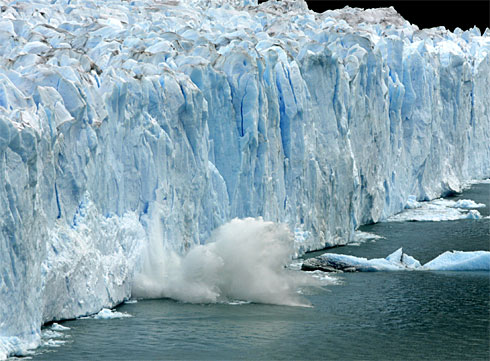
  • French glaciologists release a report stating that the glaciers of the Andes are melting at an unprecedented rate.
  • May - New evidence suggests that Mount Everest's glaciers are melting.
  • Four-hundred-year-old bryophyte specimens left behind by retreating glaciers in Canada are brought back to life in the laboratory.

9.  Graphene


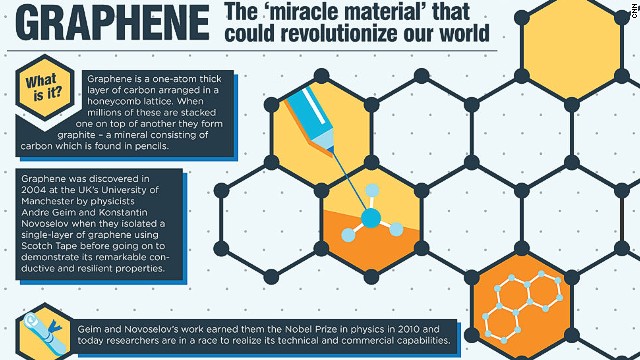
  • Stanford University physicists discover that atom-thin sheets of graphene are 100 times more chemically reactive than thicker sheets. This reactivity may be crucial to developing new practical applications for graphene, which is already widely known for its immense strength and conductivity.
  • Researchers discover that boron nitride – a nanomaterial also known as "white graphene" – is highly effective at removing harmful chemicals from polluted water, and could be used to clean up future oil spills.
  • May – The first graphene-based circuits to break the gigahertz barrier are created by researchers in the US and Italy.
  • Researchers at Nanyang Technological University invent a graphene-based sensor that is 1,000 times more sensitive to light than traditional CMOS or CCD sensors.
  • Researchers in Germany have taken a major step towards using graphene in solar cells, which could boost their efficiency. The material was found to retain its properties even when coated with silicon.

10. Hi-tech Robots


  • The British Army begins using a miniature drone helicopter in Afghanistan. The aerial surveillance robot weighs just 16 grams, and can be remotely piloted into difficult terrain to detect hidden enemy positions.
  • March – Boston Dynamics demonstrates an updated version of its BigDog military robot, a mule-sized heavy-lifting robot able to navigate rough terrain and equipped with an arm powerful enough to easily lift and throw breeze blocks.
  • Roboticists launch an online database and cloud computing platform which can be accessed by robots worldwide, allowing them to more easily recognise unfamiliar objects and perform intensive computing tasks.
  • Scientists create a robotic ant colony that behaves like a real one. The tiny machines can be programmed to avoid obstacles and find the quickest route through a network or maze.
  • A British engineer unveils a giant "mantis" robot, large enough to carry a human pilot, which is supported by multiple hydraulic legs. The robot has reportedly attracted the interest of mining and marine research companies.
  • IBM develops a robot which combines telepresence and augmented reality technologies to assist engineers working on complex projects in remote areas.
  • May – Harvard scientists unveil RoboBee, a miniature robot with the smallest ever man-made wings capable of flight.
  • Engineers demonstrate a small quadrupedal "cheetah-cub" robot, with speed and agility approaching that of a real cat. The prototype is intended as the basis for future search-and-rescue robots with vastly greater speed and agility than human emergency workers.
  • DARPA and Boston Dynamics unveil the Atlas humanoid robot, a 6-foot (1.8 m) autonomous machine capable of a wide variety of military and disaster-response operations.


Let's see what more 2014 unveils for all science-o-maniacs! Have a Sciency New Year!
Read more ...

The Tree Circus

Wednesday, November 27, 2013


Axel Erlandson (December 15, 1884 – April 28, 1964) was a Swedish American farmer who shaped trees as a hobby, and opened a horticultural attraction in 1947 advertised as "See the World's Strangest Trees Here," and named "The Tree Circus". He was an unusual farmer who made trees grow to whatever design he desired. 


This bizarre variety of tree shapes were unrealistically woven to form miniature resemblances of statues. In 1985, after the Tree Circus went out of business the trees were bought by millionaire Michael Bonfante and were transplanted in his amusement park Gilroy Gardens in Gilroy, California.


The trees appeared in the column of Robert Ripley's Believe It or Not! twelve times.


Read more ...

Science fact - 18

Sunday, September 29, 2013
The last sunday of September is celebrated as the World Heart's Day!

On this World Heart's Day, here are some crazy facts about your heart:
  1. The size of an adult's heart is equal to two fists whereas of a kid's heart is equal to one fist.
  2. The average adult heart beats 72 times a minute; 100,000 times a day; 3,600,000 times a year; and 2.5 billion times during a lifetime.
  3. Though weighing only 11 ounces on average, a healthy heart pumps 2,000 gallons of blood through 60,000 miles of blood vessels each day. 
  4. It pumps about 1 million barrels of blood during a lifetime- enough to fill more than 3 super tankers
  5. A kitchen faucet would need to be turned on all the way for at least 45 years to equal the amount of blood pumped by the heart in an average lifetime
  6. Every day, the heart creates enough energy to drive a truck 20 miles. In a lifetime, that is equivalent to driving to the moon and back.
7. A newborn baby has about one cup of blood in circulation. An adult human has about four to five quarts which the heart pumps to all the tissues and to and from the lungs in about one minute while beating 75 times
8. The term “heartfelt” originated from Aristotle’s philosophy that the heart collected sensory input from the peripheral organs through the blood vessels. It was from those perceptions that thought and emotions arose.

9. In 1929, German surgeon Werner Forssmann (1904-1979) examined the inside of his own heart by threading a catheter into his arm vein and pushing it 20 inches and into his heart, inventing cardiac catheterization, a now common procedure.
10. “Atrium” is Latin for “entrance hall,” and “ventricle” is Latin for “little belly.”
11. The right atrium holds about 3.5 tablespoons of blood. The right ventricle holds slightly more than a quarter cup of blood. The left atrium holds the same amount of blood as the right, but its walls are three times thicker.
12. Grab a tennis ball and squeeze it tightly: that’s how hard the beating heart works to pump blood.
Read more ...

Science fact - 17

Friday, September 27, 2013

Never Ending Battery
For over 170 years, the Oxford Electric Bell (also known as the Clarendon Dry Pile) has been chiming almost continuously, the composition of its power source uncertain. 

The Oxford Electric Bell is an experimental electric bell that was set up in 1840 and which has run almost continuously ever since, apart from occasional short interruptions caused by high humidity. It was "one of the first pieces" purchased for a collection of apparatus by clergyman and physicist Robert Walker. It is usually located in the foyer of the Clarendon Laboratory at the University of Oxford, England, but as of December 2009 it has been moved into an adjacent corridor due to construction work, and is still ringing, though inaudibly, because it is behind two layers of glass.

The Design:
The experiment consists of two brass bells, each positioned beneath a dry pile (a form of battery), the pair of piles connected in series. A metal sphere approximately 4 mm in diameter is suspended between the piles, and rings the bells by means of electrostatic force. As the clapper touches one bell, it is charged by one pile, and then electrostatically repelled, being attracted to the other bell. On hitting the other bell, the process repeats. The use of electrostatic forces means that while high voltage is required to create motion, only a tiny amount of charge is carried from one bell to the other, which is why the piles have been able to last since the apparatus was set up. Its oscillation frequency is 2 hertz.

What is most interesting, and mysterious, about the apparatus is the internal composition of the 'dry pile' batteries. It is known that they have been coated with molten sulphur to prevent effects from atmospheric moisture and it is thought that they may be Zamboni piles.

At one point this sort of device played an important role in distinguishing between two different theories of electrical action: the theory of contact tension (an obsolete scientific theory based on then-prevailing electrostatic principles) and the theory of chemical action. The Oxford Electric Bell does not demonstrate perpetual motion. The bell will eventually stop when the dry piles are depleted of charge – that is, if the clapper does not wear out first.
Read more ...

Science Fact - 16

Saturday, September 21, 2013

September 22 is globally celebrated as the World Rhino Day in appreciation of the 5 rhino species - Black Rhino, White Rhino, Indian Rhino, Javan Rhino and Sumatran Rhino. Three of these - Black Rhino, Javan Rhino and Sumatran Rhino - are critically endangered.


Some facts about Rhinos:


  • The name rhinoceros comes from the Greek words rhino (nose) and ceros (horn).  
  • Rhinos have existed on earth for more than 50 million years.  - The first rhino ancestors appeared on Earth during an epoch known as the Eocene, along with a number of other mammal species. As odd as it may seem, the earliest rhinos lacked horns.
  • Rhino horns are made of keratin, the same material that makes up your hair and fingernails.  
  • Some rhinos use their teeth – not their horns – for defense.

  • White rhinos aren't white and black rhinos aren't black. 
  • Rhinos are faster than they look! They can run up to 30 – 40 miles per hour.
  • A rhino’s skin is not as tough as it looks, and can actually be quite sensitive to sunburns and insect bites. That’s why rhinos like rolling in the mud so much!
Read more ...

Found Proof of Extraterrestrial Life. Or Did We?

Friday, September 20, 2013


Yet again, we are back to discussions about existence of extraterrestrial life and another instance of having located it. A recent study published in the Journal of Cosmology points towards the existence of life in space. A specially-designed balloon sent 27km into the stratosphere to monitor the Perseid meteor shower returned with small organisms on board that researchers believe could only have originated from space. Professor Milton Wainwright, from the University of Sheffield’s department of molecular biology and biotechnology, said the particles – a diatom fragment and some ‘unusual biological entities’ – were too large to be lifted from the Earth to such a height.

"The only known exception is by a violent volcanic eruption, none of which occurred within three years of the sampling trip," he said. Thus the paper argues for its incidence from space, with a probable origin in the watery environment of a comet.

The author advocates that there is no mechanism by which such a large sized particle can reach upto the stratosphere as it has a large residence time. Also, commercial airplanes do not fly at the height at which these were detected.  The only possible source from Earth is a volcano - which did not take place just before the sampling. However, I agree with Terry Kee, that it is too soon to conclude anything from that. The scientific community still needs a proof that the particle does not belong to Earth before they can start looking out for life in outer space.

Regarding conducting more experiments to analyse this situation, Prof Wainwright added, "The absolutely crucial experiment will come when we do what is called "isotope fractionation"."

Biochemical processes cause a fluctuation in the amount of carbon isotope ratios incorporated into a biological being. The difference between the true amount of carbon and the amount in the plant is known as isotope fractionation.

He explained, "We will take some of the samples which we have isolated from the stratosphere and introduce them into a complex machine – a button will be pressed. If the ratio of certain isotopes gives one number then our organisms are from Earth, if it gives another, then they are from space. The tension will obviously be almost impossible to live with!"

Let us wait for what the isotope fractionation brings to light and to what extent can we rely on its results! Till then, let's hope that life does exist in some other parallel universe! 

Read more ...

Want to take a one-way trip to Mars?

Tuesday, September 10, 2013
The Red Planet has been the focus of discussions these days due to an initiative of one-way trip to the planet by an organisation, Mars One. Their mission is to establish a human settlement on mars within a decade. Between 24 and 40 candidates will be selected to participate in a seven-year training program that would start in 2015. The Martian prospectors would then be sent to the red planet in groups of four. The settlers, equipped with life support systems and Martian humvees, would construct lab facilities for conducting research and living quarters with food gardens. 


So who is game for the trip?  It’s a question that the Mars One project poses on its website:
You could say that most people would rather lose a leg than live the rest of their life on a cold, hostile planet, having said goodbye to friends and family forever, the best possible video call suffering from a seven minute delay—one way. However, there are individuals for whom traveling to Mars has been a dream for their entire life. They relish the challenge. Not unlike the ancient Chinese, Micronesians, and untold Africans, the Vikings and famed explorers of Old World Europe, who left everything behind to spend the majority of their lives at sea, a one-way mission to Mars is about exploring a new world and the opportunity to conduct the most revolutionary research ever conceived, to build a new home for humans on another planet.

Who all applied?
At the conclusion of a five-month-long first round of Mars One Astronaut Selection Programme, 2,02,586 people from around the world have applied out of which 20,747 are Indians! The United States tops the list with 47,654 applications, followed by India (20,747), China (13,176), Brazil (10,289), Britain (8,497), Canada (8,241), Russia (8,197), Mexico (7,464), Philippines (4,365) and Spain (3,722) on the top 10 list.


The Next Step:
Out of these 2 lakh participants, the Mars One selection committee will select prospective Martian settlers in three additional rounds spread across two years. By 2015, six-ten teams of four individuals will be selected for seven years of full-time training. In 2023, one of these teams will become the first humans ever to land on Mars and live there for the rest of their lives, the statement said. 

Mars One said each Round 1 applicant is now being screened by the selection committee, which is expected to take several months. Candidates selected to pass to the next round will be notified by the end of 2013.
The second round of selection will start in early 2014, where the candidates will be interviewed in person by the selection committee.


Who knows, by 2050, we might actually have established human settlements on Mars - Replica Earth maybe!
Read more ...

Science Fact - 13

Tuesday, August 6, 2013
The Catatumbo Lightning is an atmospheric phenomenon in Venezuela. 

It causes lightning during 140 to 160 nights a year, 10 hours per day and up to 280 times per hour. It occurs over and around Lake Maracaibo, typically over the bog area formed where the Catatumbo River flows into the lake.


It originates from a mass of storm clouds at a height of more than 5 km. It occurs only over the mouth of the Catatumbo River where it empties into Lake Maracaibo. 

The lightning have been continued for centuries, ceasing only in 2010 for three months (January - April) probably due to drought.
Read more ...

Wood Batteries: A Green Substitute to Lithium batteries

Friday, June 21, 2013
Sodium-ion batteries are a type of reusable battery that uses sodium-ions as a way to store power in a compact system. This type of battery is still in a developmental phase but is forecasted to be a cheaper, more durable way to store energy than commonly used lithium-ion batteries. Lithium-ion batteries are common in consumer electronics as they are one of the most popular types of rechargeable battery for portable electronics, with one of the best energy densities, no memory effect, and only a slow loss of charge when not in use.

Currently lithium-ion batteries are the preferred portable battery as after approximately 50 cycles most sodium-ion batteries tend to store only about 50% of original capacity. However, lithium batteries maintain their capacity. As lithium is in short supply, whereas sodium is much more abundant and also environment-friendly, it would greatly lower the price of the product if the modern day batteries were switched over to a sodium-ion cell.


Scientists at University of Maryland have designed a ‘green’ battery using a sliver of wood covered with tin. The various parts in the battery are a thousand times slimmer than a paper piece. They used wood fibers, which are apt for storing liquid electrolytes, allow the sodium-ion battery to keep going for more than 400 charging cycles.


It is being said that the wood fibers, which are soft and mesoporous, can be set up as a new platform for a budget sodium ion battery.

The study was published in journal Nano Letters.

Read more ...

Environment's Mania!

Friday, June 7, 2013
Like every year, your FaceBook news-feed would be flooded with Happy Environment day's messages - cool status from everyone showing how caring they are for the environment, how they wore green today, special senti messages about the environment. They are good to cause awareness, but, in reality, how much do we actually do for our environment -NOTHING!


There isn't much of work if you really try to do something -your little bit - for the planet. There are simple things which don't even interfere with your comfort. I have given a short list of 10 points only to help you get ideas:
  1. Don't waste water in your home - like while shaving, brushing , turn the tap off when you don't need water.
  2. In office and colleges, use both sides of paper when taking a printout. In case of official used papers which are printed only on one side, you can use the back side for some rough work.
  3. Start taking your own mug with you for tea, coffee.
  4. Disconnect your phone charger when not using it. If it seems more convenient to let it be plugged in, then at least switch off the plug.The same goes for appliances like microwave oven, hair straightener, etc.
  5. Use cloth napkins instead of paper napkins.
  6. Try to use recyclable materials rather than disposables as much as possible.
  7. If not a tree, then may be a few plants at home would be a great idea for decor as well as the pollution control.
  8. Carry a cloth bag/jute bag for grocery shopping instead of getting things in a plastic bag or paper bag! (Paper bag is as harmful as plastic ones as for making paper bags you still need to cut tress, and after one use it becomes crumbled or torn)
  9. Installing CFLs instead of tube lights saves on energy as well as reduce your electricity bill.
  10. Check energy rating when buying new appliances.
The best policy as one of my professors taught me is , "3 'R's - Reduce, Recycle, Reuse".
 
Here's a list of 50 ways to help the planet in simple ways - http://www.50waystohelp.com/
 
Leaving you with an CNN-IBN initiative to save the Western Ghats!
 
 
Read more ...

Giving Heartbeats: Modern Healthcare touching lives!

Friday, May 17, 2013
Modern healthcare is really touching our lives these days. Due to the upcoming advances in technology and instrumentation, we are able to save a large number of lives. Also, the average life expectancy has increased due to better medical facilities which are helping to cure the previously untreatable diseases by the discovery of new drugs. Also, the attempt is to reduce the treatment costs so that everyone is able to afford the treatments. One such disease I am going to talk about is Atrial Fibrillation. 

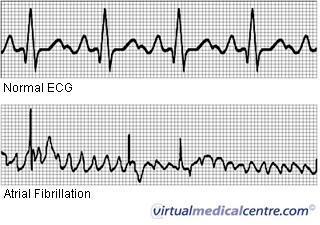
Atrial fibrillation (AF or A-fib) is the most common cardiac arrhythmia which is the condition of irregular heartbeat  Our heartbeats follow a periodic cycle and any irregularity in that cycle causes very critical problems. AF may be asymptomatic in some cases which means it does not present any symptoms, but it is often associated with palpitations, fainting, chest pain, or congestive heart failure. 

The major problem with AF is that it increases the risk of stroke; the degree of stroke risk can be up to seven times that of the average population, depending on the presence of additional risk factors (such as high blood pressure). It may be identified clinically when taking a pulse, and the presence of AF can be confirmed with an electrocardiogram (ECG or EKG) which demonstrates the absence of P waves together with an irregular ventricular rate (P waves are present as the small peak just before the longer peak in the ECG curve).

The main goals of treatment are to prevent circulatory instability and stroke. The rate or rhythm control are used to achieve the former, while anticoagulation is used to decrease the risk of the latter. Now new technologies like Catheter- Ablation have been developed which help in controlling the rhythm of the heartbeat. It is an invasive procedure used to remove a faulty electrical pathway from the hearts of those who are prone to developing cardiac arrhythmias such as atrial fibrillation.

In catheter ablation, one or more thin, flexible wires, called catheters are inserted into a blood vessel (usually the groin) and guided into the heart. Each catheter has two or more electrodes to measure the heart's electrical signals as they travel from one chamber to another. RF catheter is inserted into a blood vessel and guided into the heart to pinpoint the source of the abnormal electrical signals. These catheters used to deliver a low-voltage, high-frequency current that destroys the heart tissue responsible for the arrhythmia. Majority of the patients who have undergone catheter ablation experience either: 
  1. return to normal heart rhythm,
  2. long term reduction in the number of episodes of arrhythmia and the severity of symptoms.
This means that medicines for controlling heart rate or rhythm may be stopped or reduced following successful catheter ablation.

Catheter Ablation

Apollo Hospitals Chennai is the first hospital in the country to get the latest 3D mapping technology in arrhythmia management. The latest technology [CARTO 3 System] gives the three-dimensional view of the patient' s heart which helps the Electrophysiologist to identify the site of origin of the abnormal rhythm accurately and deliver the Radiofrequency catheter ablation therapy with high success rate.
The benefits of the curative catheter ablation therapy are mentioned below.
  • Better Quality of Care: Most cardiac arrhythmias can be treated and cured by catheter ablation thereby eliminating the need for life-long therapy.
  • Better Quality of Life: Catheter Ablation can restore the quality of life of the patient leading to a happier family life and improved productivity at workplace.
  • Saves Lives: Some life-threatening Ventricular Arrhythmias can be successfully treated with catheter ablation thereby providing patients with an option to live.
  • Cost-effective : The overall lifecycle costs of care for the patient may be reduced due the curative nature of catheter ablation therapy. Alternative device therapies can be more than five times costlier.
  • Catheter ablation is considered safe and is not associated with a significant risk, so the chance of experiencing complications is low. And it is a keyhole procedure which allows the patient to get back to their work soon after the procedure.


Read more ...

Scientists stealing plant's energy

Sunday, May 12, 2013
Plants have a very efficient mechanism for converting solar energy to chemical energy and using it for production of sugars and carbohydrates required by them. Scientists have been trying to build a similar mechanism for along time now but couldn't achieve such efficiency. So finally, they have build a mechanism to steal plant's energy produced during photosynthesis.

Scientists working in the field of nano-sciences at University of Georgia, have developed a mechanism to that allows them to capture the energy plants create during photosynthesis, and turn it into electricity that can power the human world. The study was published in Energy and Environmental Science journal.

In the process of photosynthesis, plants use sunlight to split water molecules into hydrogen and oxygen, releasing electrons in this process. These electrons are used by plants to produce carbohydrates from carbon-di-oxide gas and energy. Calkins, Umasankar and their team of scientists at University of Georgia, have tried to capture these electrons and utilize them for energy production. These electrons can be captured and transferred through a pipe in the form of electricity. 


They have used spinach thylakoids immbolizied on the carbon nanotubes, where thylakoids capture electrons and carbon nanotubes help to transfer them. They were able to obtain a maximum current density of 68 μA cm−2 and a steady state current density of 38 μA cm−2, which are two orders of magnitude larger than previously reported for similar systems. 

This is just a starting point for developing highly efficient mechanism for energy production. The carbon based nanostructured electrode has the potential to serve as an excellent immobilization support for photosynthetic electrochemistry based on the molecular tethering approach as demonstrated in this work. Also, further work is required  to stabilize the photosynthesis process so that electrons can be captured from them without harming the plant growth. 
Read more ...

Saturn: Rain Over Me!

Friday, April 12, 2013

A new study by scientists at University of Leicester, England, reveals that the Saturn's rings cause rain of charged water particles into its atmosphere. The study, whose observations were funded by NASA reveals that the rain falls over a large portion which influences the composition and temperature structure of parts of Saturn's upper atmosphere. The paper appears in this week's issue of the journal Nature.

Image credit: NASA/JPL-Caltech/Space Science Institute/University of Leicester

“Saturn is the first planet to show significant interaction between its atmosphere and ring system," said James O’Donoghue, the paper's lead author and a postgraduate researcher at Leicester. “The main effect of ring rain is that it acts to 'quench' the ionosphere of Saturn. In other words, this rain severely reduces the electron densities in regions in which it falls."

O’Donoghue explains that the ring's effect on electron densities is important because it explains why, for many decades, observations have shown those densities to be unusually low at certain latitudes on Saturn. The study also helps scientists better understand the origin and evolution of Saturn's ring system and changes in the planet's atmosphere.

Read more ...

The Beginning of The Universe- For Beginners!

Wednesday, April 10, 2013
Here's a trending video from YouTube about the beginning of the universe for beginners!


Enjoy and learn! :D
Read more ...

Geckoella Jeyporensis : Rediscovered after 135 years!

Tuesday, March 26, 2013
Geckoella Jeyporensis
 
Geckoella Jeyporensis or Jeypore ground gecko, a small lizard which was considered extinct for over a century, has been rediscovered in the Easter Ghats by the researchers in India.
 
This lizard species was first detected and collected in 1877 by a Britisher, Colonel RH Beddome from Jeypore Hills in Orissa. His description about the lizard and his methodology to find it helped these young researchers to find a clue! Ishaan Agarwal, the doctoral student at CES-IISc who was the chief person to initiate its re-discovery said, "The only clues were in the original description, which said that this species was collected under a rock in a forest at 4,200 ft on 'Patinghe Hill, Jeypore' - meaning high elevation forest areas (@1,000m) in the Eastern Ghats." 
 
Teams of researchers, scientists and naturalists had failed in the past 135 years to trace the unique lizard. This species is unique among Indian geckos as it has enlarged, hexagonal, plate-like scales across the back. It is one of the most beautiful among Indian geckos, with an orange-brown dorsum, a series of chocolate brown dorsal blotches!
 
As Agarwal grew convinced that the gecko could be found again, another doctoral student, Aniruddha Datta-Roy, and field assistant Tarun Khichi, also joined him on the uncertain mission. The team set out to find the species in 2010 but to no avail. However, in 2011, their efforts finally paid off. They found it under a rock, exactly like Colonel Beddome, in Eastern Ghats.
 
Their research was recently published in Hamadryad which commented, "In many ways, the rediscovery of Geckoella Jeyporensis is symptomatic of herpetological research in India. There are a number of species that have not been recorded since their original descriptions or are known in few localities."
 
 
Read more ...

Making of a Planet

Monday, March 4, 2013
 
An international team of astronomers have spotted what they believe is a formation of a new planet in another solar system in the our Milky Way galaxy.
 
Dr. Quanz and colleagues had pointed a telescope located in Chile's Atacama Desert towards a young star, HD 100546. This star is about 2.5-times the size of our sun and its comparatively very new, so it is being studied by the scientists to understand the formation of solar systems. Based on their observations by a high-resolution infrared camera linked to the telescope, they observed that the disk of materials around the star showed certain asymmetries. "It's a good indication that something might be hiding or forming in the disk," said Dr. Quanz.
 
The Wall Street Journal quoted that, "The infrared imagery revealed a little bright blob in the disk, suggesting an entity emitting radiation. When the picture of the blob was laid over an image of the asymmetry, they coincided perfectly. This suggests that the blob was an object embedded in the material around the star, suggesting a nascent planet."
 
This composite image shows a view from the NASA/ESA Hubble Space Telescope (left) and from the NACO system on ESO’s Very Large Telescope (right) of the gas and dust around the young star HD 100546. Image released Feb 28, 2013. (ESO/NASA/ESA/Ardila et al.)
 
The star HD 100546, which lies 335 light-years from Earth, was already thought to host another giant planet that orbits it about six times farther out than the Earth is from the Sun. The new potential planet or protoplanet lies even farther, about 10 times the distance of its sibling, at roughly 70 times the stretch between the Earth and the Sun. This distance is not much in cosmic terms as Milky Way is itself 100,000 light years away. The protoplanet has a mass that appears to be at least the size of Jupiter, and perhaps two to three times its size.
 
The protoplanet would take tens of thousands of years to grow up but if it holds up, the latest finding would be one of the first direct observations of the very early stages of a planet's birth. Dr. Quanz said, "If our discovery is indeed a forming planet, then for the first time scientists will be able to study the planet formation process and the interaction of a forming planet and its natal environment empirically at a very early stage."
 
Read more ...

Science fact - 10

Saturday, February 23, 2013
Immortal Jellyfish!

Researchers have documented the first immortal animal, a jellyfish species called Turritopsis nutricula. The species has been seen to reverse its aging and revert to its its earlier polyp stage, periodically restarting its lifecycle.


Most biologists attribute aging process in humans and other animals to “telomeres”, which are tiny caps on the ends of each chromosome. Telomeres protect DNA from being corrupted and destroyed, but during every repetition of the cell cycle, they become incrementally shorter. Eventually the telomeres become so short that cells cannot divide at all, a point known as the Hayflick Limit.

All evidence suggests that Turritopsis can repeat this process indefinitely, meaning that it will never die as a consequence of aging, ever. Researchers suggested that studying the Turritopsis could lead to breakthroughs in reversing the human aging process.

Read more ...

Swine Flu takes its toll!

Tuesday, February 12, 2013
Delhi recorded the highest number of swine flu cases on Monday when the number of fresh cases reached 27. This includes the Chief Medical Officer (CMO) of the swine flu detection centre at RML Hospital, along with a junior doctor. The Delhi government has identified 17 government and 5 private hospitals for isolation care and treatment facilities for H1N1 cases which include Safdarjung Hospital, Ram Manohar Lohia Hospital etc among others.

According to health authorities, throughout India, close to 495 cases and nearly 95 deaths related to swine flu have been reported since January. At present, however, officials said that only 13 cases have swine flu have been reported in Hyderabad since January.


In January, the virus claimed 62 lives while 13 have died of it in February so far, the official said. Rajasthan has recorded the highest number of swine flu deaths in the past two months. The National Institute of Virology (NIV) in Pune have sequenced the swine flu genetic code and the results revealed that the strain has not mutated since 2009, the time of its first attack.  Thus, the virus is still susceptible to Oseltamivir (Tamiflu) tablets.

Read more ...